Module 1: General Information Regarding Joint Replacement
Lesson 1: How Joints Work – Anatomy, Physiology, and Neurology
Lesson 2: Common Reasons for Joint Replacement
Lesson 3: Conservative Treatment Options Prior to Surgical Interventions
Lesson 4: The Decision to do Joint Replacement
Lesson 5: Surgical Recovery and Complications
Lesson 6: General Rehabilitation for Joint Replacements
Lesson 7: Long-Term Considerations for Joint Replacements
Lesson 8: Neurology of Joint Replacement Motor Dysfunctions and Pain
Lesson 9: Overview of Exercise Programming for Joint Replacement
Module 2: The Knee
Lesson 10: Anatomy and Physiology of the Knee
Lesson 11: Pathophysiology of the Knee
Lesson 12: Knee Replacement Surgery
Lesson 13: Knee Replacement Rehabilitation
Lesson 14: Assessing the Post-medical Knee Replacement Client
Lesson 15: Training for the Post-medical Knee Replacement Client
Lesson 16: Programming for the Post-medical Knee Replacement Client
Module 3: The Hip
Lesson 17: Anatomy and Physiology of the Hip
Lesson 18: Pathophysiology of the Hip
Lesson 19: Hip Replacement Surgery
Lesson 20: Hip Replacement Rehabilitation
Lesson 21: Assessing the Post-medical Hip Replacement Client
Lesson 22: Training the Post-medical Hip Replacement Client
Lesson 23: Programming for the Post-medical Hip Replacement Client
Module 4: The Shoulder
Lesson 24: Anatomy and Physiology of the Shoulder
Lesson 25: Pathophysiology of the Shoulder
Lesson 26: Shoulder Replacement Surgery
Lesson 27: Shoulder Replacement Rehabilitation
Lesson 28: Assessing the Post-medical Shoulder Replacement Client
Lesson 29: Training the Post-medical Shoulder Replacement Client
Lesson 30: Programming for the Post-medical Shoulder Replacement Client
Module 5: Business Planning
Lesson 31: Business Development, Market Research, and Strategic Partnerships
Epilogue: Joint Replacement Fitness Specialist
Comprehensive Assessment Exam: Joint Replacement Fitness Specialist



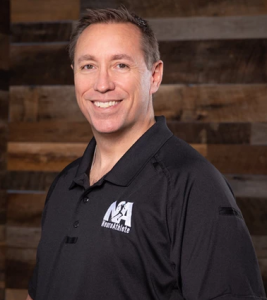 Dr. Grove Higgins is a chiropractor, rehabilitationist, soft tissue injury expert, researcher, biomechanist, human performance expert, speaker, and corporate health consultant. Since 1994, Dr. Higgins has been steeped in rehabilitative healthcare, first as a personal trainer/exercise therapist attaining his Doctor of Chiropractic in 2005. Starting with hospital based acute care neurological rehabilitation, he quickly was able to apply his passional and learning to all areas of rehabilitation from orthopedic rehabilitation to working with military veterans with neurological injury and PTSD.
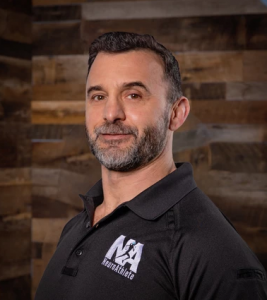 Master Trainer Pat Marques attended Indiana University where he participated in wrestling, rugby, and Army ROTC. After graduating and being commissioned as an Infantry officer, Pat served in the Active Duty Army for 20 years in the Infantry and Special Forces, including combat tours in Iraq.